
What Are The Differences Between Chenille And Embroidered Patches?
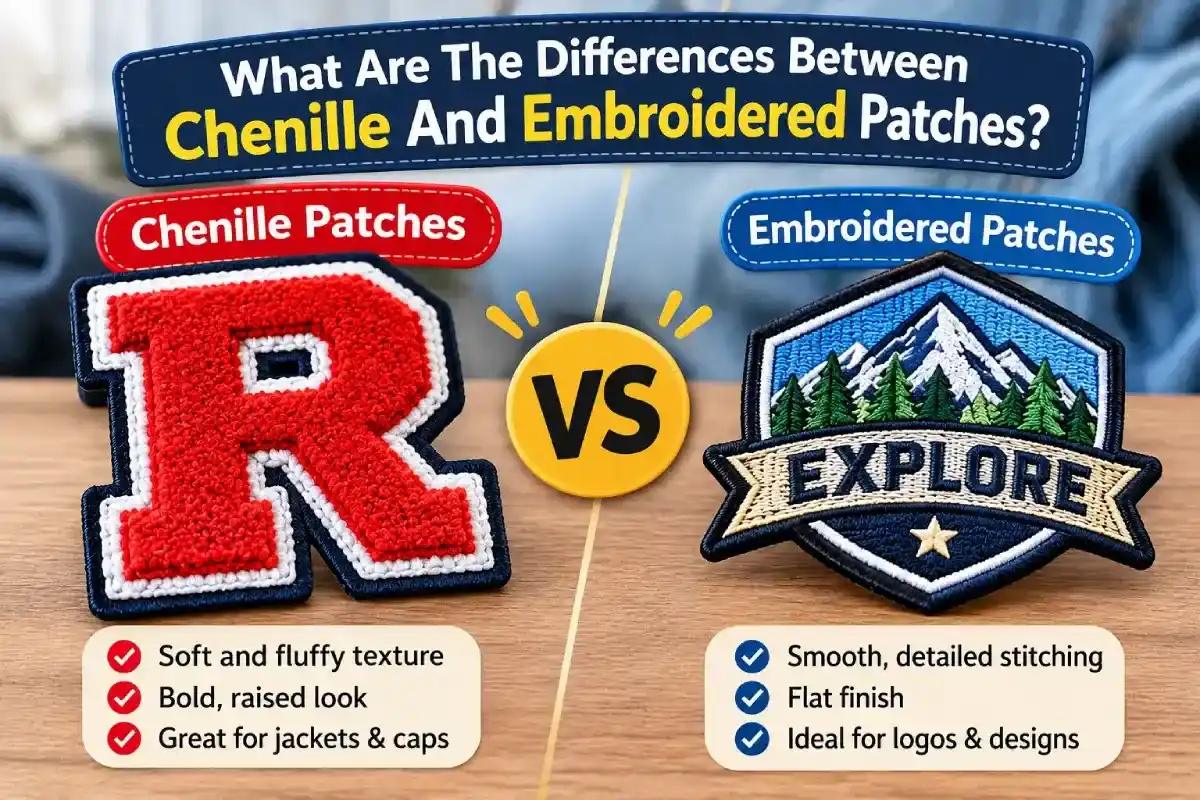
Chenille patches and embroidered patches offer different textures, styles, and designs. Learn about the differences and features of these patches so you can choose which kind of patch to go for.
Discover What Makes Chenille And Embroidered Patches Unique
A simple patch can transform the appearance of a jacket, sweatshirt, or uniform; however, if not selected properly, it may make the design seem unimpressive.
There are some patches that are attractive due to the softness and raised texture; there are others that are notable due to perfect stitching and intricate details.
But which type should be used to decorate clothing? The solution is found in chenille and embroidered patches, the two styles that differ greatly.
Before making a decision, find out what is a chenille patch and what makes it unique from other types of patches.
Understanding what chenille and embroidered patches are and their suitable applications can help customers make an appropriate choice.
The Main Differences Between Chenille And Embroidered Patches
The major distinction between the two types of patches lies in their texture and stitches used. Chenille patches are made from soft yarns, creating thick and raised textures, while embroidered patches are made by stitching very thin yarns into images and letters.
Chenille patches give the image of bold and puffy decoration, while embroidery gives a smooth and highly detailed design, which works great for small decorations.
To understand what are chenille patches, one should look more closely at their features used in sportswear and varsity jacket designs. The thick texture gives them outstanding visual appeal.
Discover What Makes Chenille Patches Look Different
Customers ask many times, What is a chenille patch? It is a type of decorative patch that is made of soft yarn that has a fuzzy texture. This material forms loops that give the design its thickness, which makes it not flat like the usual embroidered patches.
One of the reasons why chenille patches are popular is because of their classic look. These types of patches are used in varsity jackets, school clothes, and sportswear, where the designs should be eye-catching because they are large and simple.
Between chenille vs embroidery, chenille patches are the best when the design needs thickness and has a soft touch.
Enjoy Fine Details With Embroidered Patch Designs
Embroidery patches are famous for their fine stitching and the quality of being able to show the detail in artwork. These types of patches use varying colours of thread to stitch out letters, logos, symbols, and artwork on the patch, which makes them ideal for use in either simple or complicated patches.
Contrary to the characteristics of a chenille patch, embroidered patches are flat in nature. As a result, fine detail work and complicated shapes can be visible on the patch without using the bulkiness of the yarn.
For any brand that requires a professional touch, custom embroidered patches are a great choice for displaying their logo and other artwork. They can also help companies ensure uniformity through their uniforms, bags, and promotional clothes.
Compare Chenille And Embroidered Patches
Comparing these two styles of patches gets easier if their distinct features are put into perspective. While both of them serve as interesting means of customising clothes, they vary in texture, appearance, design versatility, and the most common applications.
The following table compares the main characteristics of chenille patches vs embroidered patches to help consumers choose the best option for their clothing needs.
| Features | Chenille Patches | Embroidered Patches |
| Texture | Fluffy and raised | Seamless with stitches |
| Appearance | Thick and strong | Nice and detailed |
| Design | Perfect for big letters and shapes | Good for fine detailed work |
| Stitching | Made from soft yarn loops | Made from closely stitched threads |
| Thickness | Generally thicker | Generally thinner |
| Common use | Varsity jackets and sportswear | Jackets, caps and bags |
| Colour details | Good for big areas of colour | Good for small areas of colour |
| Visual effect | Gives a 3D effect | Gives a stitched effect |
| Best suited for | Traditional designs | Professional designs |
Both have their strengths, and the ultimate decision will be determined by the desired design.
Chenille comes in handy where texture and size are of utmost importance, whereas embroidery would be appropriate where there is a need for clarity of detail and design flexibility.
Make Sportswear Stand Out With Chenille Designs
The chenille patches have a close relationship with sportswear of schools and universities. The raised letters and numbers are typical elements of the design of varsity jackets, which symbolise the names of teams, initials of schools, successes, and milestones.
Having an idea of what is a chenille patch will help understand the application of this patch in sportswear. The thick material makes the letters large enough so that they are easily visible from afar.
Compared to other types of patches, such as chenille, embroidered and cotton patches, chenille is used more often to decorate sports initials and varsity jackets. It allows teams to express their identity in a special way.
Choose The Right Texture To Match The Clothing
The texture is vital since it makes the patches look different once they are applied to clothes. Custom chenille patches feature a soft and fluffy texture that gives a certain impression, while embroidered patches are harder and lie tighter on the surface.
In comparing chenille and embroidery, the design of clothing can guide you in making the right choice. Raised designs are best for thick jackets and sweatshirts, whereas flat patches look good on shirts, hats, and other thin garments.
Individuals who wonder what are chenille patches need to know the function of chenille patches. The soft nature makes them look like typical sportswear, while embroidery is more versatile than that.
Find The Best Option For Different Personal And Business Needs
The choice of patch is determined by the reasons for creating a design. Chenille patches could be the preference of sports teams, educational institutions, and clothing brands for creating traditional jackets; embroidery patches could be used by companies and organisations for creating logos and uniforms.
The question that many consumers have asked is What can chenille patches be used for in situations where there is a need for an attractive visual impact? They can be used to make initials, team symbols, and jackets more appealing.
Embroidered patches would allow you to create more elaborate designs and have design flexibility. The difference between chenille vs embroidery patches is not in the choice of better products but in the choice of styles that could provide the desired results.
Frequently Asked Questions
What is a chenille patch made up of?
The chenille patch uses soft threads to make the raised and fluffy effect that is achieved by making loops of soft yarn. It is made up of a thick material, which makes it very popular in varsity jackets, sportswear, and designs.
What are chenille patches used for?
They are typically used in varsity jackets, school uniforms, sweatshirts, and sportswear due to their thick nature. It is used in making large lettering, team initials, numbers, and other simple designs.
What is better in chenille vs embroidery?
Chenille is best suited for bolder patterns with a three-dimensional effect, while embroidery is ideal for detailed artwork and small logos. It all boils down to the choice based on the design and type of clothing.
What is a chenille patch compared with an embroidered patch?
The difference lies in the fact that chenille patches employ yarn loops to produce a bulky look, whereas the embroidery patches incorporate densely woven threads into their designs, which lie flat on a cloth.
Can chenille patches be used on jackets?
Sure! Chenille patches can be used effectively on varsity jackets. The chenille patch style complements initials, numbers, and school emblems.
Conclusion
Making a choice about which of the two patch types is best becomes easier once one learns about the texture, design, and application of the patches.
While chenille gives a soft and raised texture that is perfect for varsity jackets and bold designs, embroidery gives the perfect stitching for intricate logos and clothing.
When comparing chenille vs embroidery, all of it boils down to the finished look and use of the patches. Both give great ways of making clothes look more personalised and recognisable.
Knowing what chenille patches are and how embroidered designs differ makes it easier for buyers to make a choice. When choosing the right type of patches based on the garment and artwork, the desired finish can be attained.

Lucas is a creative writer and embroidery specialist who brings years of experience in textile art, embroidery design, and product customization to the Embroidery Patches UK blog. His articles dive into design trends, customization tips, patch application techniques, and the history and culture of embroidered patches. Lucas’s goal is to inspire DIY makers, businesses, and hobbyists with interesting stories and useful advice from the world of embroidery.